
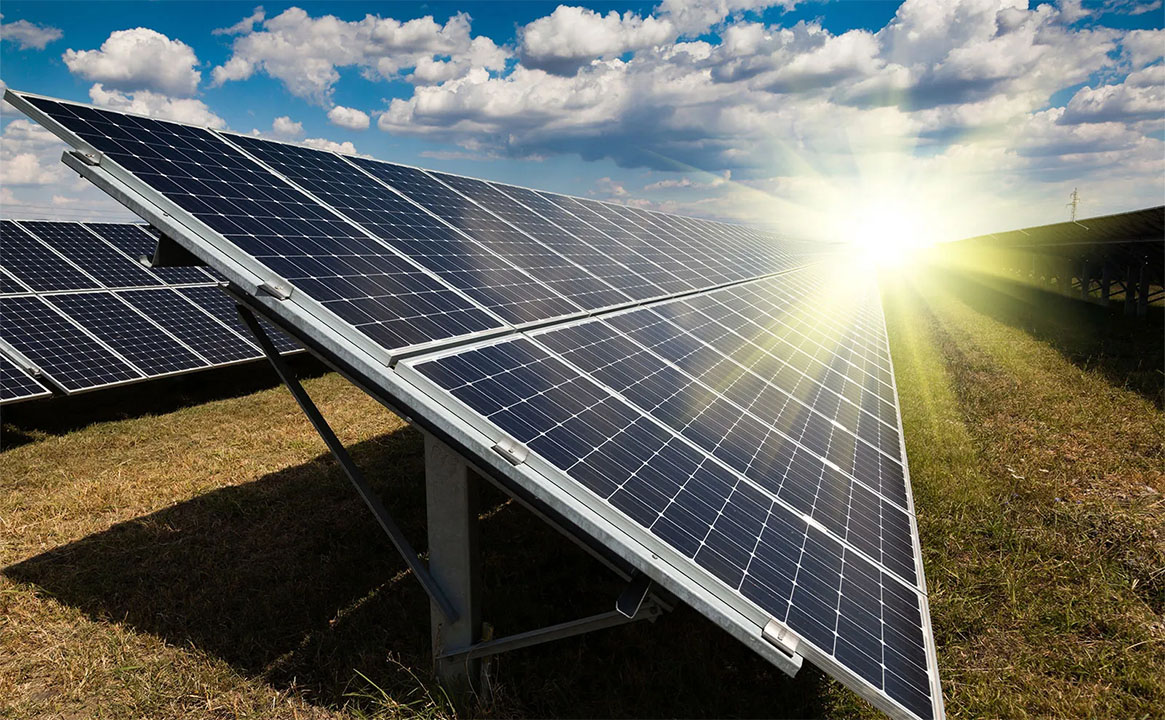
Bangladesh is one of the fastest-growing energy markets in South Asia, and solar photovoltaic (PV) energy has become a major pillar in the country’s journey toward sustainable power generation. With rising electricity demand, limited fossil fuel resources, and increasing environmental concerns, Bangladesh has embraced solar energy as a reliable and eco-friendly solution. Over the past two decades, solar PV technology in Bangladesh has evolved from small rural home systems to large-scale solar parks and industrial rooftop installations. The past, present, and future of Bangladesh’s PV solar energy sector reflect the country’s commitment to renewable energy and energy security.
Past of PV Solar Energy in Bangladesh
The development of solar PV energy in Bangladesh began in the late 1990s and early 2000s when the country faced severe electricity shortages, especially in rural areas. At that time, millions of people in remote villages had no access to grid electricity. To address this challenge, the government, along with international organizations such as the World Bank and Infrastructure Development Company Limited (IDCOL), introduced Solar Home Systems (SHS) across rural Bangladesh.
Solar Home Systems quickly became one of the most successful renewable energy programs in the world. Small solar panels were installed on rooftops to provide basic electricity for lighting, mobile charging, and small appliances. By the mid-2010s, Bangladesh had installed more than 4 million solar home systems, benefiting over 20 million people. This initiative not only improved rural living standards but also reduced kerosene consumption and carbon emissions.
During the early stage of solar development, most PV installations were small-scale and off-grid. The primary focus was on rural electrification rather than large-scale power generation. Solar irrigation pumps were also introduced to reduce dependency on diesel-powered pumps in agriculture. These early initiatives laid the foundation for Bangladesh’s solar energy revolution.
However, the early solar sector faced challenges such as high installation costs, limited local manufacturing, and lack of technical expertise. Despite these barriers, government support and international funding helped the solar PV industry grow steadily.
Present Scenario of Solar PV Energy in Bangladesh
Today, Bangladesh’s solar PV sector is expanding rapidly and becoming an essential component of the national energy mix. With increasing electricity demand due to industrialization and urbanization, the government is focusing on renewable energy to reduce dependency on imported fossil fuels such as coal and LNG.
At present, Bangladesh generates solar power through multiple systems including:
Solar Home Systems (SHS)
Although grid electricity has expanded significantly, millions of solar home systems are still operational in rural areas. These systems continue to provide backup and supplementary electricity.
Rooftop Solar PV Systems
Rooftop solar installations are gaining popularity in urban and industrial sectors. Many factories, commercial buildings, and shopping malls are installing rooftop solar panels to reduce electricity bills and ensure energy reliability. Net metering policy introduced by the Bangladesh government allows consumers to generate electricity and export excess power to the national grid.
Solar Irrigation Systems
Solar-powered irrigation is transforming agriculture in Bangladesh. Thousands of solar irrigation pumps are now operating across the country, replacing diesel pumps. This reduces fuel costs for farmers and decreases environmental pollution.
Utility-Scale Solar Power Plants
Bangladesh has started developing large-scale solar parks and grid-connected PV power plants. Several solar power plants have already been installed in regions such as Mymensingh, Teknaf, Rangamati, and other areas. These solar parks generate megawatts of electricity and supply it directly to the national grid.
Government Policy and Support
The government of Bangladesh has set renewable energy targets and introduced policies to encourage solar investment. The Sustainable and Renewable Energy Development Authority (SREDA) plays a key role in promoting solar power projects. The government aims to increase the share of renewable energy in the total electricity generation mix.
Despite progress, the solar sector still faces challenges such as limited land availability for large solar parks, high initial investment costs, and dependency on imported solar panels and equipment. However, technological advancements and decreasing solar panel prices are making PV systems more affordable.
Future of Solar PV Energy in Bangladesh
The future of solar PV energy in Bangladesh is extremely promising. With increasing awareness of climate change and the need for sustainable energy, solar power will play a crucial role in the country’s energy transition.
Expansion of Utility-Scale Solar Plants
In the coming years, Bangladesh plans to install more large-scale solar power plants. Floating solar projects on rivers and reservoirs are also being considered to overcome land scarcity. Floating solar technology can significantly increase solar capacity without occupying agricultural land.
Smart Grid and Energy Storage
Future solar systems will integrate with smart grids and battery storage technologies. Energy storage systems will help store excess solar power during the day and supply electricity at night. This will improve grid stability and reliability.
Industrial and Commercial Solar Growth
Industrial rooftop solar installations will grow rapidly as electricity prices rise. Many factories are shifting toward solar energy to reduce operational costs and carbon emissions. Solar energy will also support export-oriented industries by helping them meet international environmental standards.
Local Manufacturing and Job Creation
Bangladesh has the potential to develop local manufacturing of solar panels, inverters, and related equipment. This will reduce dependency on imports and create employment opportunities in the renewable energy sector.
Integration with Electric Vehicles and Smart Cities
Solar energy will support electric vehicle charging infrastructure and smart city development. In the future, solar-powered charging stations and smart buildings will become common in major cities like Dhaka and Chattogram.
Renewable Energy Targets
Bangladesh aims to increase renewable energy generation significantly by 2030 and beyond. Solar PV will contribute the largest share among renewable sources. International cooperation, private investment, and technological innovation will accelerate this growth.
Conclusion
Solar PV energy has become a cornerstone of Bangladesh’s sustainable energy future. From rural solar home systems to modern solar power plants and rooftop installations, the journey of solar energy in Bangladesh reflects innovation, resilience, and progress. While challenges remain, the country’s commitment to renewable energy and technological advancement ensures a bright future for solar power.
In the coming decades, solar PV energy will play a vital role in ensuring energy security, reducing carbon emissions, and supporting economic development. With proper planning, investment, and policy support, Bangladesh can become a leading example of solar energy adoption in the developing world.
Learn More about the Solar Metology Sensor