
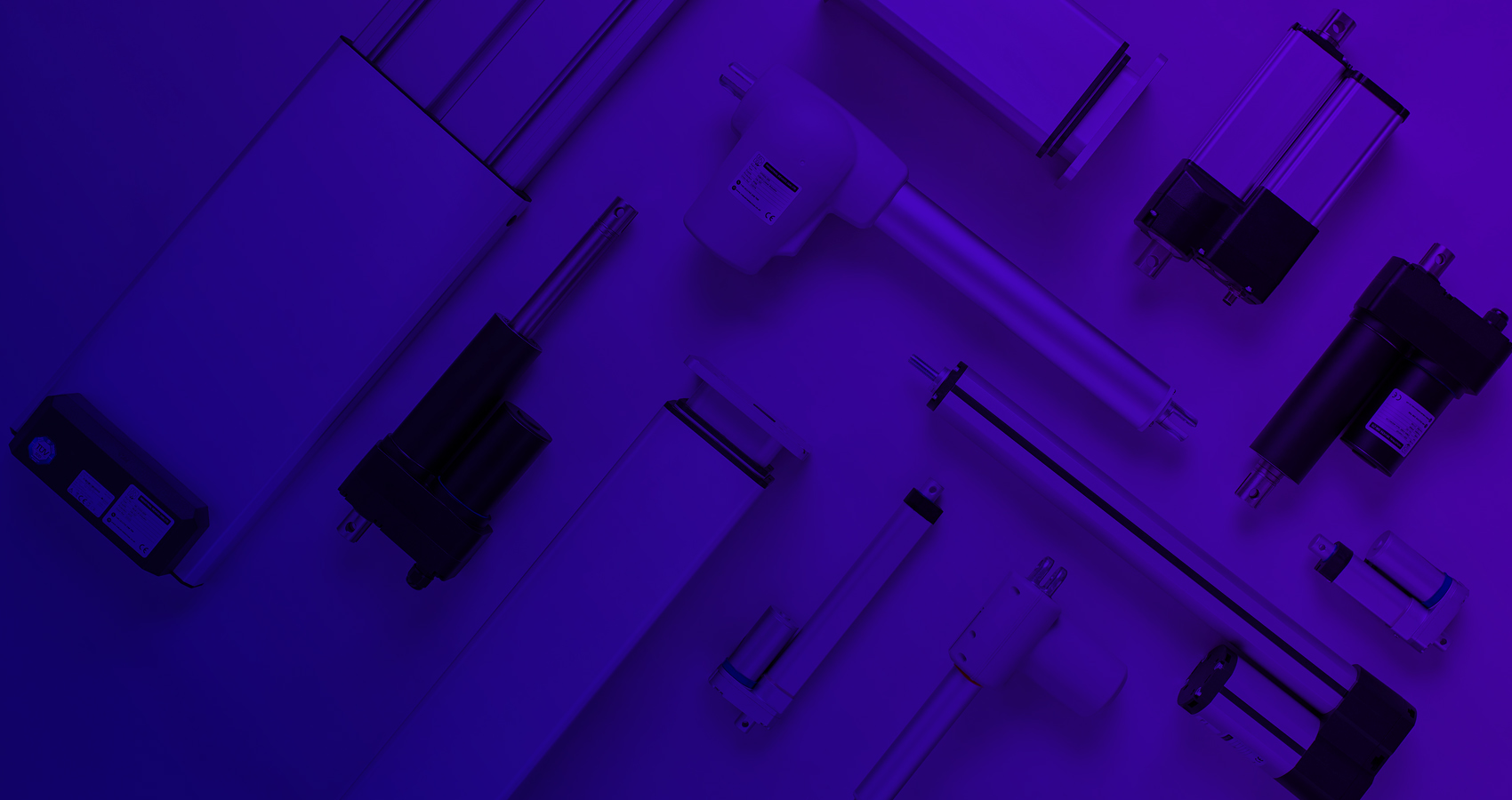
An actuator is a device that converts energy into motion. It is a key component in electrical, mechanical, and automation systems. Actuators are widely used in industries, robotics, vehicles, power plants, smart homes, and manufacturing systems to control movement and mechanical operations.
In simple words, an actuator receives a control signal and produces physical movement such as linear (straight) or rotary (circular) motion.
For example:
When you press a switch to open an automatic gate, an actuator moves the gate.
When a valve opens automatically in a factory, an actuator controls it.
Working Principle of Actuator
The working principle of an actuator is based on converting energy into mechanical motion to perform a specific task. An actuator receives a control signal from a controller such as a PLC, microcontroller, sensor, or manual switch, which instructs it to move or operate a mechanism. After receiving the signal, the actuator takes energy from a power source such as electricity, compressed air, hydraulic fluid, or heat. This energy is then converted into mechanical motion inside the actuator through internal components like motors, pistons, coils, gears, or valves. The conversion process is the core principle of actuator operation, where electrical, pneumatic, or hydraulic energy is transformed into useful movement.
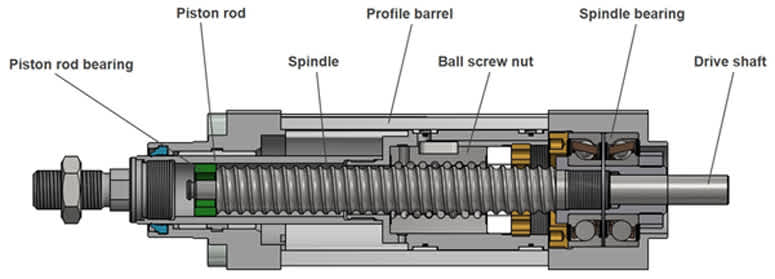
When energy is supplied, the internal mechanism of the actuator generates motion in either linear or rotary form. Linear motion refers to straight-line movement such as pushing or pulling, while rotary motion refers to circular or rotational movement. For example, in an electric actuator, electrical energy energizes a motor that produces rotational motion, which can be converted into linear motion using gears or screw mechanisms. In a pneumatic actuator, compressed air enters a cylinder and pushes a piston to create linear movement. In a hydraulic actuator, pressurized oil moves a piston inside a cylinder to generate very high force and smooth motion. The produced motion is then used to perform mechanical work such as opening or closing valves, moving robotic arms, lifting loads, controlling dampers, or operating machines.
The actuator continues to operate as long as it receives the control signal and energy supply. In advanced systems, feedback devices like sensors or encoders are used to monitor position, speed, and force, ensuring accurate and controlled movement. Once the desired operation is completed or the signal stops, the actuator returns to its original position or stops functioning. Thus, the main working principle of an actuator involves receiving a signal, converting energy into motion, and producing mechanical movement to automate and control various industrial, electrical, and mechanical processes efficiently.
So, An actuator works by converting energy into motion. The energy source can be:
- Electrical energy
- Pneumatic (air pressure)
- Hydraulic (liquid pressure)
- Thermal energy
Working Steps:
- Control signal received (from PLC, microcontroller, switch, or sensor)
- Energy supplied (electricity, air, or hydraulic fluid)
- Actuator converts energy into motion
- Mechanical movement occurs (open, close, rotate, lift, push, etc.)
Types of Actuators
Actuators are mainly classified based on energy source and motion type.
1. Based on Energy Source
A. Electrical Actuator
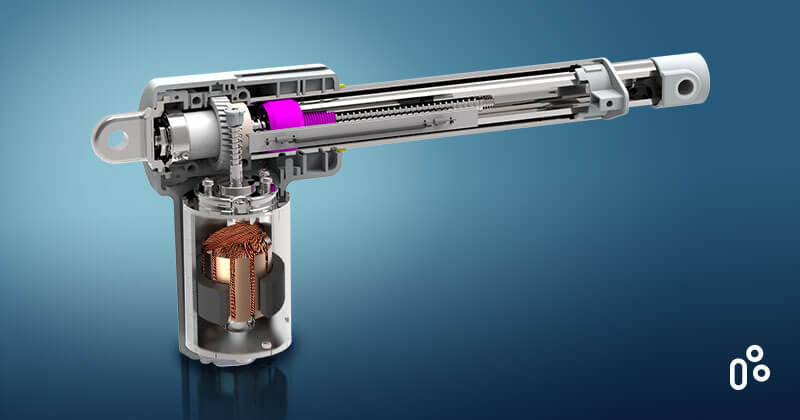
Electrical actuators use electric power to create motion.
Examples:
- Electric motor
- Servo motor
- Stepper motor
- Solenoid actuator
Features:
- Easy control with PLC/microcontroller
- Clean and efficient
- Low maintenance
- Used in automation and robotics
Applications:
- Robotics
- CNC machines
- Automatic doors
- Industrial control systems
B. Pneumatic Actuator
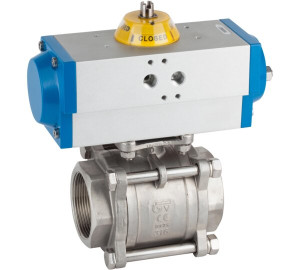
Pneumatic actuators use compressed air to create motion.
Features:
- Fast operation
- Simple design
- Low cost
- Safe in explosive areas
Applications:
- Factory automation
- Valve control
- Packaging machines
- Pick and place machines
C. Hydraulic Actuator
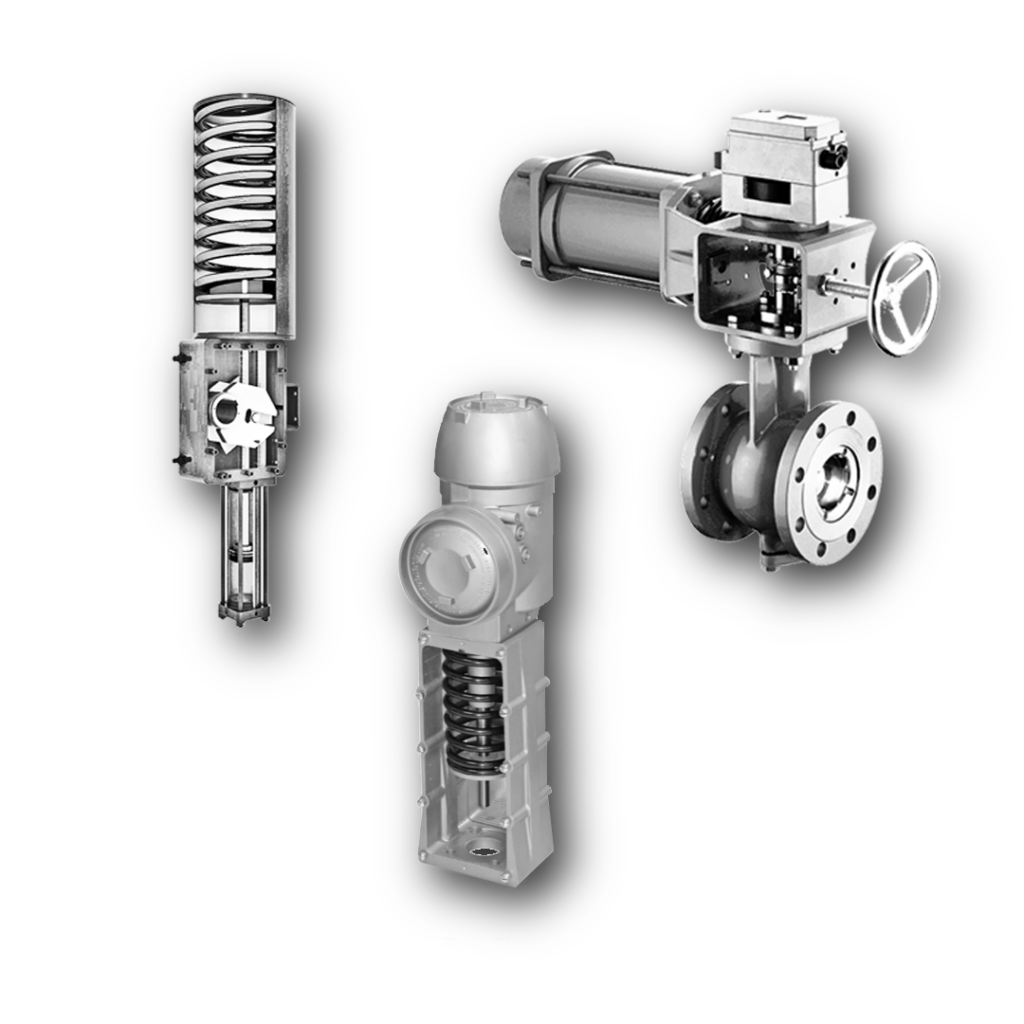
Hydraulic actuators use liquid pressure (oil) to produce motion.
Features:
- Very high force output
- Smooth operation
- Heavy-duty use
- Expensive maintenance
Applications:
- Excavators
- Cranes
- Heavy machinery
- Industrial press machines
D. Thermal Actuator
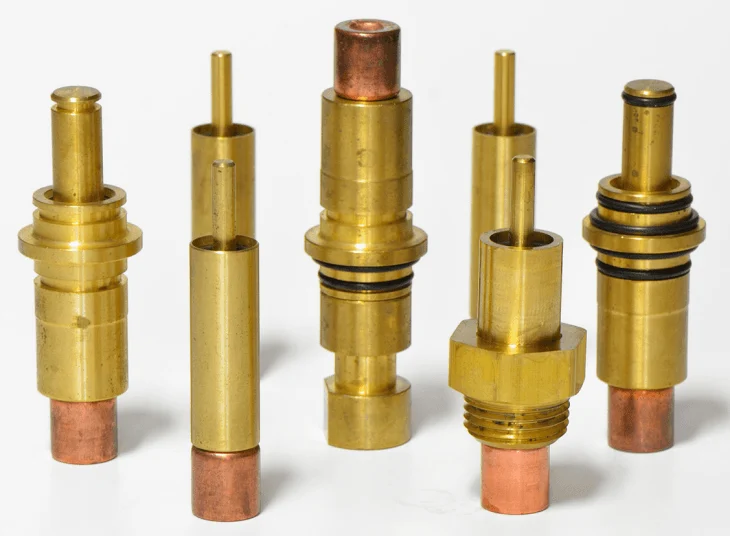
Thermal actuators use heat energy to produce movement.
Applications:
- Temperature control systems
- Automatic valves
- Safety devices
Based on Motion Type
1. Linear Actuator
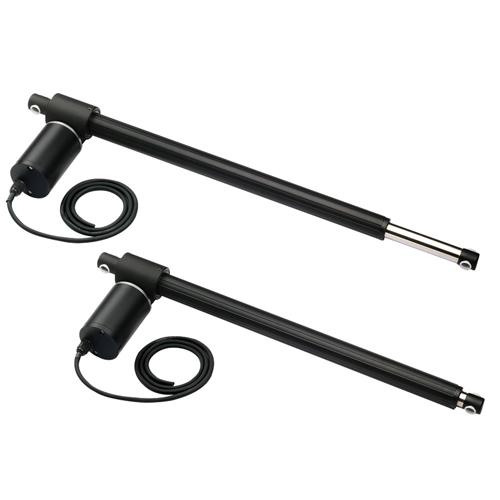
Produces straight-line motion (push or pull).
Examples:
- Hydraulic cylinder
- Pneumatic cylinder
- Electric linear actuator
Uses:
- Lift systems
- Door opening systems
- Industrial automation
2. Rotary Actuator
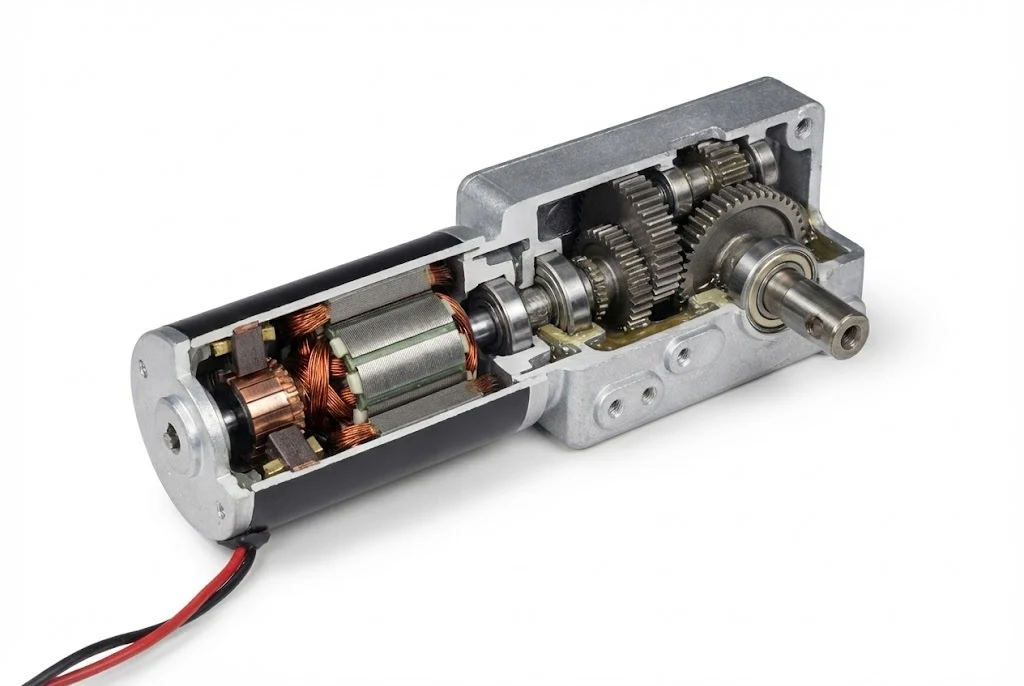
Produces rotational motion.
Examples:
- Electric motor
- Servo motor
- Rotary hydraulic actuator
Uses:
- Conveyor systems
- Robotic arms
- Valve control
Components of an Actuator System
An actuator system generally includes:
- Power source – Electricity, air, or hydraulic
- Controller – PLC, microcontroller, or manual switch
- Actuator device – Motor, cylinder, or solenoid
- Feedback system – Sensor for position or speed (optional)
Advantages of Actuators
- Automates mechanical operations
- Increases efficiency
- Reduces manual work
- High precision control
- Improves safety
- Used in smart systems and IoT
Disadvantages of Actuators
- Some types are expensive (hydraulic)
- Require maintenance
- Need proper control system
- Power consumption in electric actuators
Applications of Actuators
Actuators are used in many fields:
Industrial Use
- Automation systems
- Control valves
- Manufacturing machines
Electrical & Electronics
- Robotics
- Smart home systems
- Solar tracking systems
Automotive
- Power windows
- Engine control
- Braking systems
Power Plant & Energy
- Turbine control
- Dam gate control
- Substation automation
Conclusion
An actuator is a very important device in modern automation and engineering systems. It converts energy into motion and helps control mechanical operations automatically. Electrical, pneumatic, and hydraulic actuators are widely used in industries, robotics, and smart systems. Without actuators, modern automation and industrial control systems would not be possible.
Actuators play a major role in improving efficiency, accuracy, and productivity in today’s technology-driven world.