
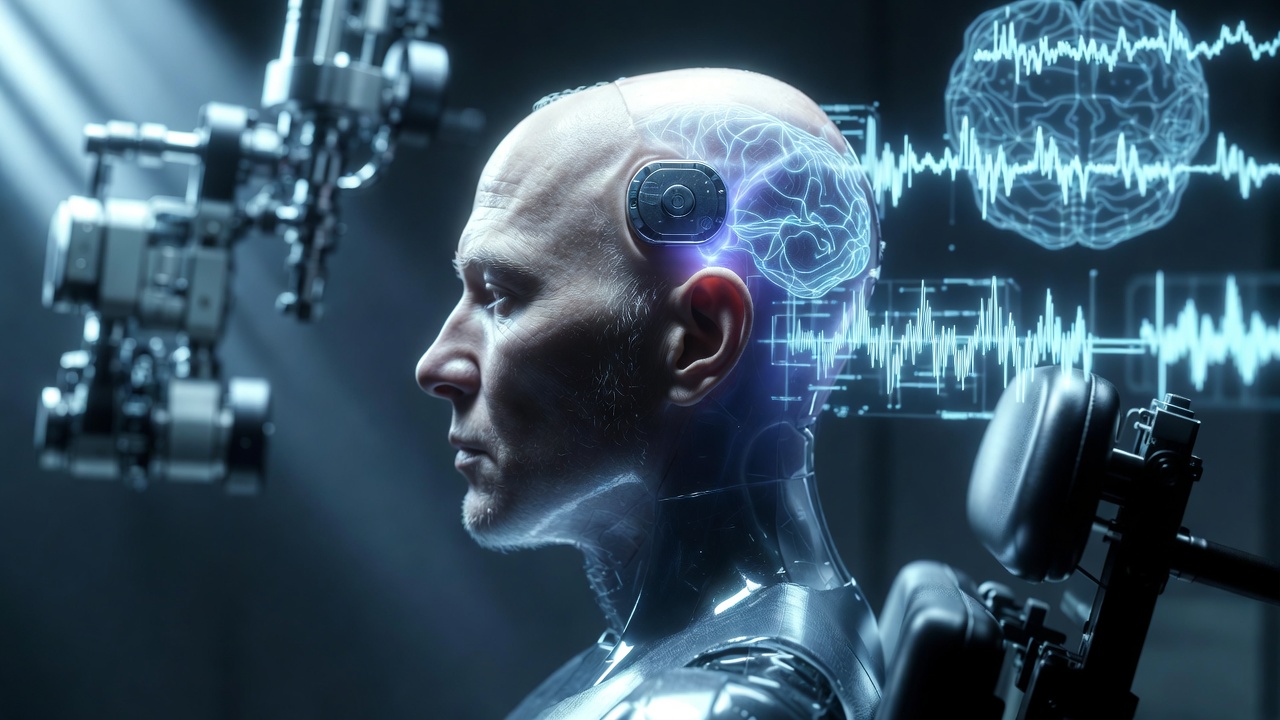
Since its public introduction, Neuralink has been one of the most talked-about technological ventures of the 21st century. From science fiction to reality, the company has captured global attention by promising to connect the human brain directly with computers — a leap that could reshape medicine, human cognition, and perhaps the very essence of what it means to be human.
In this long-form blog, we’ll explore Neuralink’s history, core technology, achievements to date, ethical questions, present applications, challenges, and potential future. By the end, you’ll have a solid understanding of what Neuralink is trying to do, what it has already accomplished, and how it might influence human life in the decades ahead.
1. The Birth of Neuralink — From Idea to Startup
Neuralink was co-founded in 2016 by Elon Musk, Max Hodak, Paul Merolla, Tim Gardner, and several other engineers and scientists with deep experience in robotics, neuroscience, and computing. Musk, already known for ventures like SpaceX and Tesla, described Neuralink’s mission as building technology capable of enhancing human cognitive abilities and treating neurological disorders.
The idea emerged from a simple but profound truth: the human brain is tremendously powerful and rich in capability, yet it remains largely isolated from modern digital systems. While computers execute logic, store vast amounts of data, and communicate at light speed, the brain excels at perception, pattern recognition, creativity, and intuition — but cannot directly interface with digital data streams the way machines do.
This disconnect inspired a question that eventually turned into Neuralink’s core mission: Can we develop a safe, scalable, high-bandwidth interface between the human brain and computers?
From the beginning, the goal wasn’t merely to treat medical conditions — though that was a key early focus — but to create technology that could eventually enhance human cognition and even enable symbiosis with artificial intelligence.
2. What Is a Brain-Computer Interface (BCI)?
To understand Neuralink, it helps to define the technology at its heart: a Brain-Computer Interface (BCI). In the simplest terms, a BCI is a system that translates signals from the brain into commands that a computer can understand, or vice versa.
Your brain communicates via electrical impulses between neurons. These impulses can be picked up — at various levels of precision — using sensors placed either outside the skull (non-invasive) or inside the brain (invasive).
Early forms of BCIs have existed for decades. For instance, researchers have used EEG (electroencephalography) caps to detect brain waves in people with paralysis and translate them into cursor movements on a screen. But these early approaches were limited in speed, precision, and reliability.
Neuralink’s ambition was to push BCI technology further — increasing resolution, reliability, and scalability while aiming to make the system safe enough for long-term use in humans.
3. Neuralink’s Technology — Threads, Robots, and Chips
One of Neuralink’s core technological innovations is the concept of ultra-thin electrodes — sometimes called threads — that can be implanted into the brain with minimal damage to tissue.
Traditional implants often use rigid electrodes that can cause inflammation and scarring over time, reducing signal quality. Neuralink’s threads are incredibly thin (about a tenth the width of a human hair) and flexible, allowing them to move with brain tissue rather than against it.
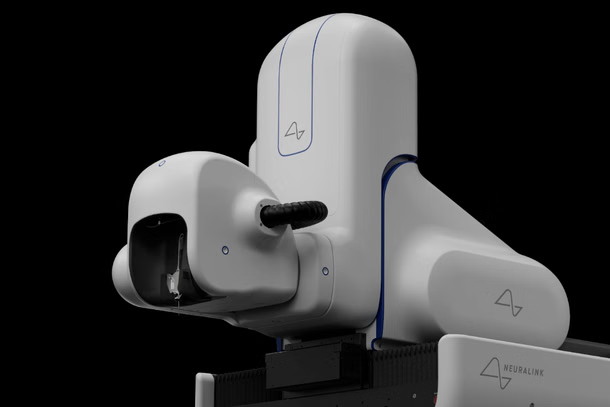
Because these threads are so delicate, Neuralink developed a surgical robot capable of inserting them with precision. This robot can place dozens or even hundreds of threads while avoiding blood vessels and minimizing trauma. The goal is to make the implantation process as safe and automated as possible.
The implanted device itself — often described as a neural interface chip — sits flush with the skull. Wires from the thin threads connect brain regions to this chip, which can then wirelessly transmit neural data to an external device like a smartphone or computer.
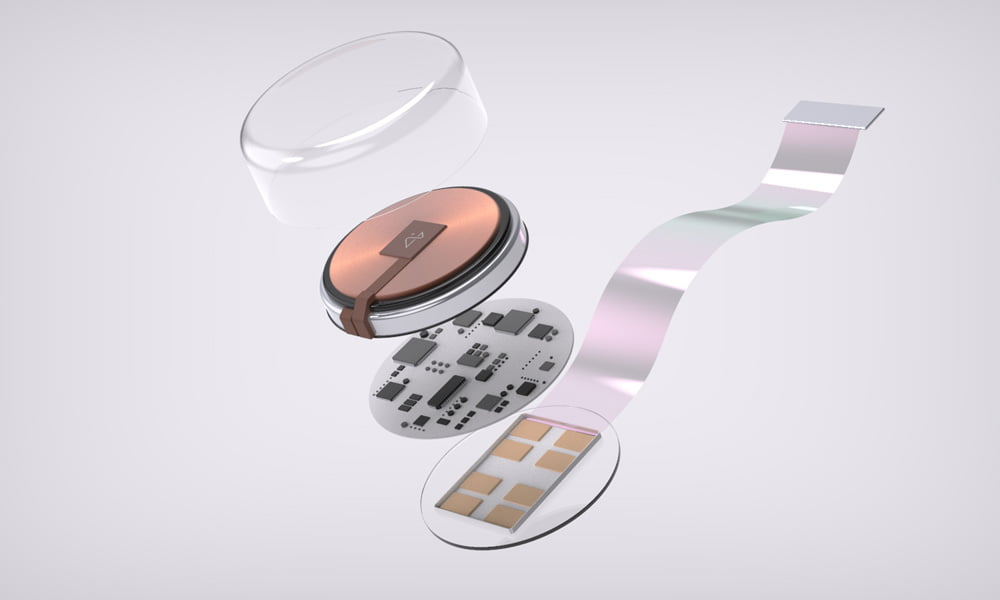
This combination of high-resolution electrodes, robotic precision, and wireless data transmission represents a significant step beyond many traditional BCI systems.
4. Early Ambitions — Treating Medical Conditions
Neuralink’s earliest stated aim was to help people suffering from serious neurological conditions. Among the first targets were:
Paralysis: People who have lost motor function often cannot control muscles even though their brains can generate the intention to move. Neuralink hoped to capture those brain signals and translate them into control of prosthetic limbs, computers, or other devices.
Spinal Cord Injury: For individuals with spinal cord injuries, the problem isn’t that the brain doesn’t know what to do — it’s that the signal can’t reach the body. A BCI could act as a bridge to reconnect intention with action through external hardware.
Neurological Disorders: Conditions like Parkinson’s disease, epilepsy, depression, and others involve abnormal neural patterns. By reading and, potentially in the future, stimulating neural tissues, Neuralink proposed therapeutic solutions.
These medical applications were compelling because they promised tangible benefits long before more speculative ideas like cognitive enhancement.
5. Neuralink’s Public Debut — The 2019 Announcement
Neuralink’s first major public reveal came in 2019 when Elon Musk and his team gave a presentation showcasing their vision and early prototypes.
Highlights included:
A demonstration of the flexible threads and the surgical robot designed to implant them.
The claim that Neuralink could eventually read neural signals with far greater resolution than existing BCIs.
Early plans to conduct human trials once safety and regulatory approvals were obtained.
The presentation ignited global interest. Scientists praised the engineering ambition, while others raised questions about safety, neural specificity, and long-term viability. Regardless, Neuralink had seized the public imagination.
6. From Pigs to Monkeys — The Pre-Human Trials
Before testing in humans, Neuralink conducted a series of animal studies to validate safety and functionality.
The Pig Demonstration
In one famous 2020 demo, Neuralink showed a pig with an implanted device. The pig’s neural signals were recorded and displayed in real time as it interacted with its environment, demonstrating that the device could pick up meaningful brain activity without harming the animal.
The Monkey Video
In early 2021, Neuralink released a video of a macaque monkey named Pager playing the video game Pong using only its brain signals. The video showcased how neural signals could be decoded to control on-screen movement — a powerful proof-of-concept for motor intention decoding.
These animal demonstrations were milestones, showing that Neuralink’s technology could record complex neural activity and translate it into meaningful commands. However, they also sparked ethical discussion about animal welfare in research.
7. Regulatory Pathways — FDA and Human Trials
One of the biggest hurdles for any biomedical device, especially something as invasive as a brain implant, is regulatory approval.
In the United States, the Food and Drug Administration (FDA) oversees approval of medical devices. Neuralink needed to demonstrate extensive safety data from pre-clinical (animal) studies before it could receive authorization for human trials.
In 2022 and 2023, Neuralink announced that it had received approval from the FDA to begin early human trials. These first-in-human studies aimed to implant the Neuralink device in a small number of participants with severe paralysis, with the goal of helping them control digital devices using thought alone.
These trials marked a pivotal moment: the transition from animal research to testing in humans. While details about the outcomes are still limited, the regulatory green light itself was a major success for the company.
8. What Has Neuralink Achieved So Far?
While Neuralink’s journey is ongoing, the company has marked several notable achievements:
Miniaturized, High-Density Neural Recording: Neuralink’s threads and chip have demonstrated the ability to record many neural signals with improved resolution compared to older BCI systems.
Robotic Surgical Precision: The development of an automated robot capable of inserting delicate electrodes represents a major engineering achievement.
Wireless Brain Signal Transmission: Early implants have shown that data can be transmitted wirelessly — a key step toward practical use outside of lab environments.
Human Trial Approval: Regulatory approval for human trials is itself a major milestone in biomedical innovation, showing that authorities believe Neuralink’s technology has a reasonable safety case.
Public Awareness and Debate: Whether one sees it as hype or promise, Neuralink has brought brain-computer interfaces into mainstream conversation, inspiring deeper public interest in neuroscience.
These achievements are significant, yet they represent the beginning of a long road toward widespread adoption.
9. What’s Happening Now — Present Progress (as of 2026)
As of early 2026, Neuralink’s human trials are underway, focusing on participants with high spinal cord injuries or paralysis who could benefit immediately from thought-controlled digital interfaces.
The initial goals include enabling users to:
Control a computer cursor or smartphone with their thoughts
Compose text messages or emails without physical input
Interact with assistive technologies like robotic limbs or wheelchairs
Importantly, these early trials are not about cognitive enhancement — they are therapeutic in nature, designed to demonstrate safety and basic functionality.
Results from these trials won’t be fully disclosed for months or years, but early reports suggest incremental successes in decoding neural signals in real-world settings.
Meanwhile, the company continues to refine its hardware and surgical techniques, reduce infection risk, and improve wireless data fidelity. Research is also expanding into exploring sensory feedback — not just reading brain signals, but writing or stimulating in meaningful ways.
10. How Does Neuralink Compare with Other BCIs?
Neuralink isn’t alone in the BCI space. Research labs and companies around the world — such as academic institutions, medical device firms, and startups — are also developing brain interface technologies.
Some key comparisons:
High Resolution vs. Non-Invasive: Non-invasive BCIs using EEG are safer but much lower in signal quality than invasive systems like Neuralink’s. Invasive systems generally provide richer data but require surgery.
Clinical Devices vs. Research Prototypes: Many companies focus on specific medical applications (e.g., deep brain stimulation for Parkinson’s). Neuralink aims for a more general-purpose interface.
Commercial vs. Open Research: Some projects are academic and open source, while Neuralink is proprietary and venture-backed. This influences access to technology and data.
Overall, Neuralink stands out for its ambition — combining miniaturized hardware, robotics, and wireless connectivity — but it’s part of a broader scientific movement exploring how to connect brains and machines.
11. Potential Applications — Beyond Medical Use
While early applications focus on medicine, the longer-term vision for Neuralink reaches much wider.
Augmented Communication
Imagine communicating not by typing or speaking, but by thought alone. For people without speech or motor ability, this kind of direct neural communication could be life-changing.
Enhanced Cognition
Some futurists speculate that brain interfaces could help humans process information faster, store memories more reliably, or even interact with artificial intelligence in more seamless ways. These ideas are still speculative, but they reflect how rapidly technology is evolving.
Virtual Reality and Immersive Experience
BCIs could transform how we interact with virtual worlds — not just using controllers or headsets, but by directly sensing neural intention or sending sensory feedback into the brain.
Education and Skill Transfer
In science fiction, characters sometimes “download” skills directly into their brains. While that remains far outside today’s capabilities, even partial neural interfaces could help monitor attention, learning progress, or cognitive fatigue — opening new frontiers in personalized education.
Brain-to-Brain Communication
Some research explores the idea of direct brain-to-brain communication — not telepathy in the mystical sense, but systems where information flows between neural devices. If this becomes feasible, it could revolutionize collaboration and understanding.
12. Ethical Questions and Societal Concerns
With such transformative potential come deep ethical questions:
Privacy and Security: If brain signals can be read or influenced by machines, who controls that data? How do we prevent hacking or misuse of neural information?
Equity and Access: Will advanced BCI technology be available only to the wealthy, worsening social divides? How do we ensure access for those who need it most?
Identity and Agency: Could external systems influence thought or behavior in ways that blur the line between human intention and machine control?
Medical Safety: Long-term effects of implants on brain tissue aren’t yet fully understood. What safeguards are needed?
Scientists, ethicists, policymakers, and the public must grapple with these questions as Neuralink and similar technologies move forward.
13. Challenges Ahead — Technical, Biological, and Regulatory
Despite progress, several major challenges remain:
Longevity of Implants: How long can electrodes remain stable in brain tissue without degradation or immune response?
Signal Fidelity: Can neural signals be decoded with enough precision and reliability for complex tasks?
Feedback Integration: Reading signals is only one side — writing information back into the brain (e.g., for sensory feedback) is far more difficult.
Surgical Safety: Even automated robots need to navigate delicate tissue without causing damage.
Regulation and Approval: Each new function requires extensive testing and regulatory review before widespread use.
These challenges are steep, but so far Neuralink has shown steady advancement rather than stagnation.
14. What Experts Say — Skepticism and Support
The scientific community has varied responses:
Some neuroscientists applaud Neuralink’s engineering ingenuity and investment in an area that was historically underfunded.
Others caution that the company’s public messaging sometimes overpromises relative to what has been proven scientifically.
Ethicists emphasize the need for transparent reporting and robust safety data.
Investors and technologists often see Neuralink as a bet on long-term human-machine integration — a frontier with potential rewards and risks.
These mixed reactions reflect the difficulty of the task: merging human biology with advanced computation at scale is one of the most complex challenges in science.
15. A Technology with Global Impact
Even today, Neuralink’s work influences research worldwide. Universities, medical centers, and startups are accelerating BCI research partly because the field has gained visibility and funding.
Countries are beginning to consider not only scientific opportunities but also legal and ethical frameworks for brain technologies.
In education, students are drawn to neuroscience, robotics, and bioengineering. In medicine, new therapies for paralysis and neurological conditions are in development.
This ripple effect shows that Neuralink’s impact is broader than the company itself — it has catalyzed a global conversation about the future of human-machine interfaces.
16. The Future — From Therapeutics to Enhancement
Looking ahead, Neuralink’s roadmap could unfold in phases:
Phase 1 — Therapeutic Use: Helping people with paralysis, motor disorders, or sensory loss communicate and interact with the world.
Phase 2 — Sensory Feedback: Introducing two-way interfaces that can not only read neural signals but stimulate in meaningful ways.
Phase 3 — Cognitive Augmentation: Enhancing memory, attention, or learning speed — though this remains speculative and ethically complex.
Phase 4 — Human-AI Symbiosis: The most ambitious vision — enabling humans to interface with artificial intelligence systems without traditional I/O (input/output) devices.
This progression reflects both technology readiness and societal acceptance. Medical applications are likely to mature first, while cognitive enhancement may emerge only after deep ethical, regulatory, and safety frameworks are established.
17. What This Means for You and Me
Even if Neuralink doesn’t become a mass consumer product in the next decade, its innovations will influence many areas of technology and medicine.
Every step forward in understanding and interfacing with the brain opens new possibilities in health care, rehabilitation, communication, and human experience.
Whether you are a student, developer, patient, or just curious about the future, Neuralink’s journey offers insight into how emerging technologies challenge us to rethink capability, identity, and connection.
18. Closing Thoughts — Bridging Biological and Digital Realms
Neuralink represents one of the most ambitious scientific endeavors of our time: not merely building another gadget, but reimagining how humans and machines interact at the most fundamental level.
Its path is filled with promise, controversy, and unknowns. And while the ultimate outcome is far from certain, the conversation it has sparked — about human potential, ethics, and the future of intelligence — is already transformative.
As Neuralink continues to evolve, one thing is clear: the boundary between biology and technology will continue to blur, offering both unprecedented opportunities and challenges that society must navigate together.
If you’d like, I can expand this blog with visuals, diagrams, and further links to research papers — or tailor it into separate shorter posts you can publish online.