
What Was Artemis II?
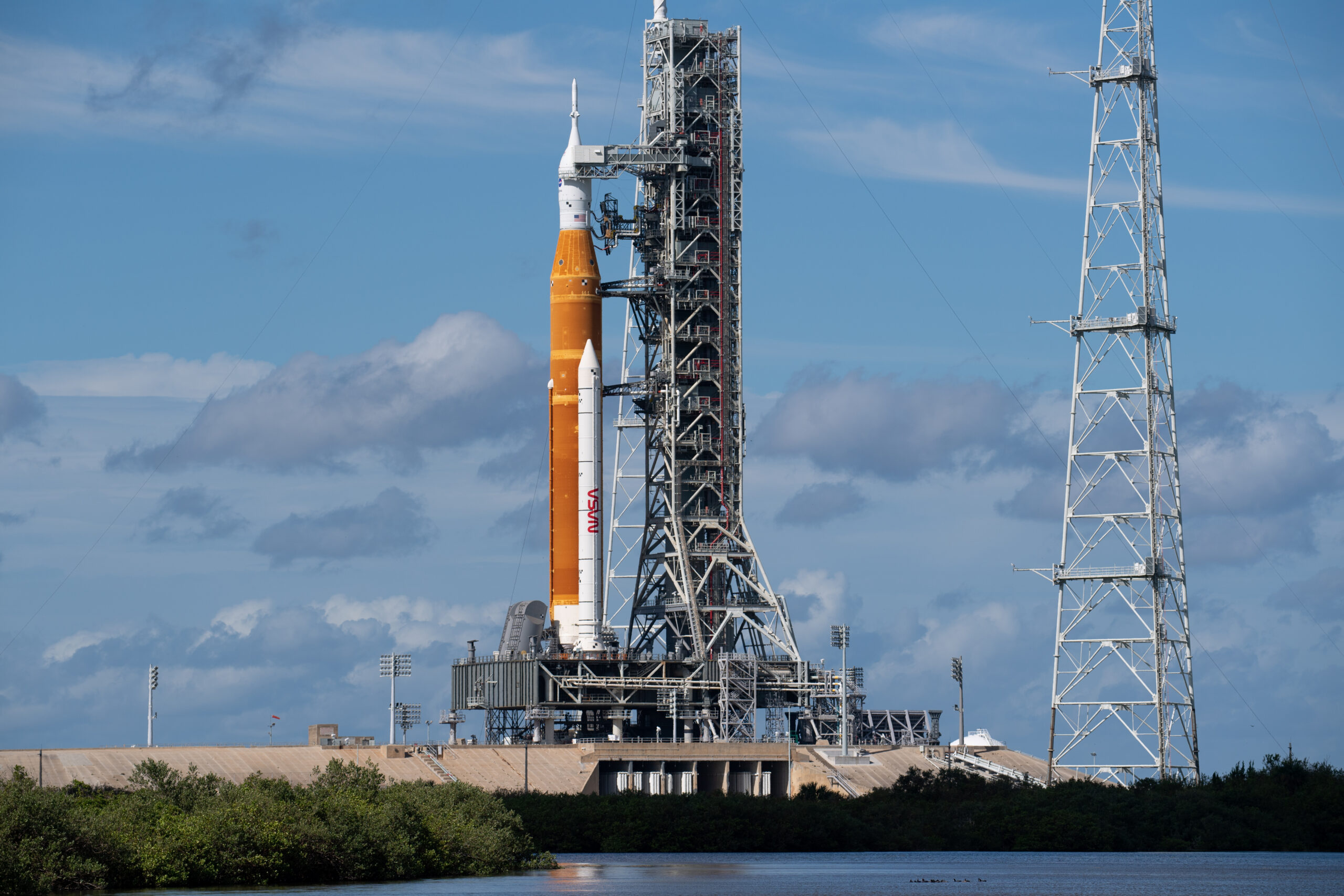
Artemis II was a crewed flyby of the Moon and the first crewed flight of NASA’s Artemis program. Unlike Artemis I, which flew uncrewed in 2022, Artemis II carried a four-person crew around the Moon and back to Earth — marking humanity’s return to deep space for the first time since the Apollo era.
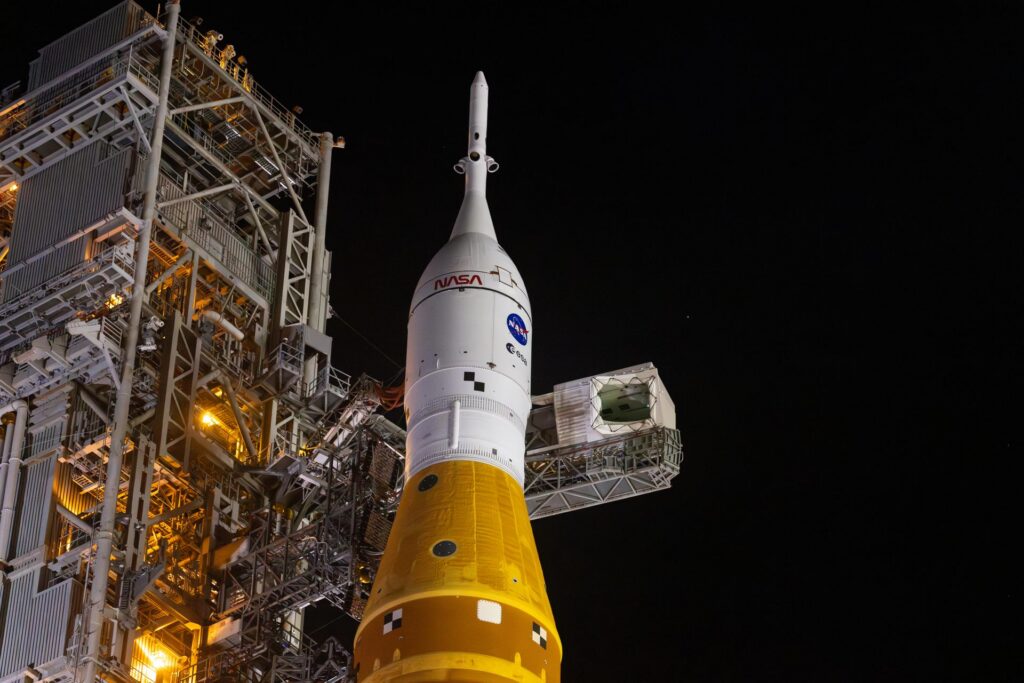
The Orion spacecraft served as the exploration vehicle carrying and sustaining the crew, launching on NASA’s new heavy-lift rocket, the Space Launch System (SLS). SLS is the only rocket capable of sending Orion, astronauts, and cargo directly to the Moon in a single launch.
The mission did not land on the Moon — that milestone is reserved for a later mission. Instead, Artemis II tested the life-support, navigation, and safety systems that will make an eventual Moon landing possible.
Key Mission Facts at a Glance
| Detail | Information |
| Mission Type | Crewed lunar flyby |
| Rocket | Space Launch System (SLS) |
| Spacecraft | Orion (Crew Module “Integrity” + European Service Module) |
| Crew Size | 4 astronauts |
| Launch Site | Kennedy Space Center, Launch Complex 39B |
| Launch Date | April 1, 2026 |
| Landing Date | April 10–11, 2026 |
| Mission Duration | Approximately 9–10 days |
| Landing Site | Pacific Ocean, off the coast of San Diego |
| Recovery Ship | USS John P. Murtha |
The mission’s total distance traveled was about 700,237 miles (1,126,922 km).
Meet the Artemis II Crew
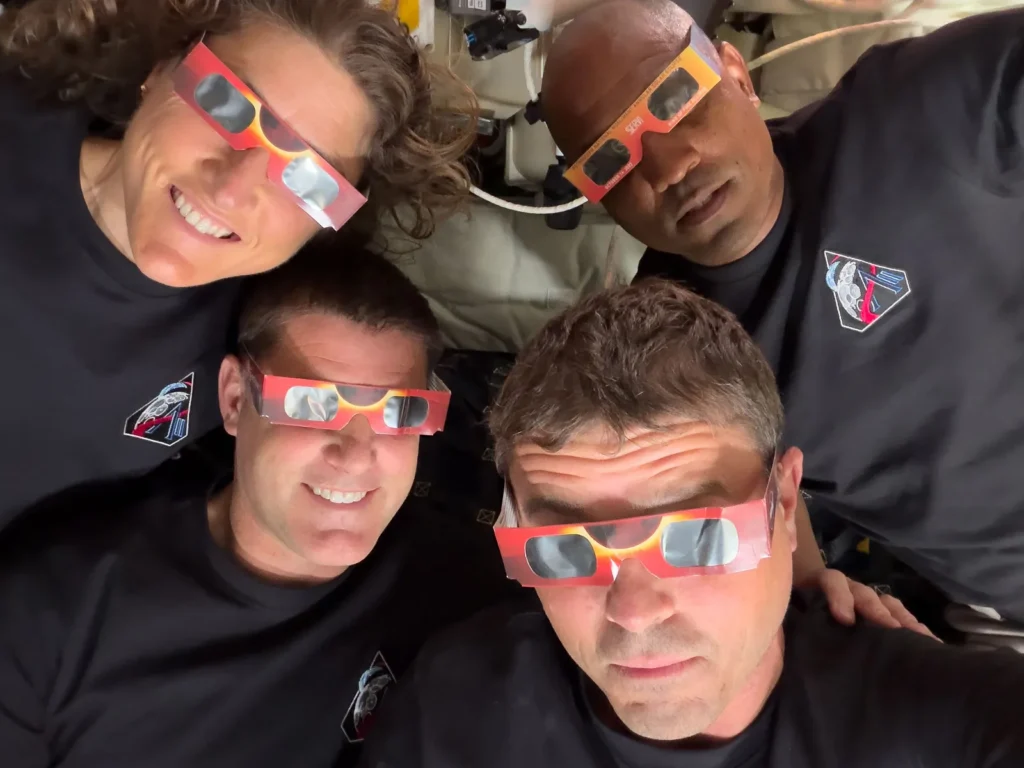
The Artemis II crew consisted of NASA astronauts Commander Reid Wiseman, Pilot Victor Glover, and Mission Specialist Christina Koch, along with CSA (Canadian Space Agency) astronaut Mission Specialist Jeremy Hansen.
This crew was historic for several reasons:
- Victor Glover became one of the first people of color to fly on a lunar mission.
- Christina Koch became the first woman to travel to the Moon.
- Jeremy Hansen made history as the first non-American (Canadian) astronaut to fly beyond low Earth orbit.
The Spacecraft: Orion and the SLS Rocket
Orion Crew Module — “Integrity”
Named “Integrity,” the Orion capsule had a launch mass of about 78,000 lb (35,000 kg) and a landing mass of roughly 20,500 lb (9,300 kg). It was built to keep the crew alive and safe across the vacuum of deep space, far beyond the protective shield of Earth’s magnetosphere.
- Orion capsule manufacturer: Lockheed Martin
- European Service Module (power, propulsion, life support): Airbus (built for the European Space Agency)
Space Launch System (SLS)
SLS offers more payload mass, volume, and departure energy than any other single rocket and forms the backbone of NASA’s deep space exploration plans. This was the first time SLS launched with a human crew on board, after successfully flying uncrewed on Artemis I.
Mission Timeline: From Rollout to Splashdown
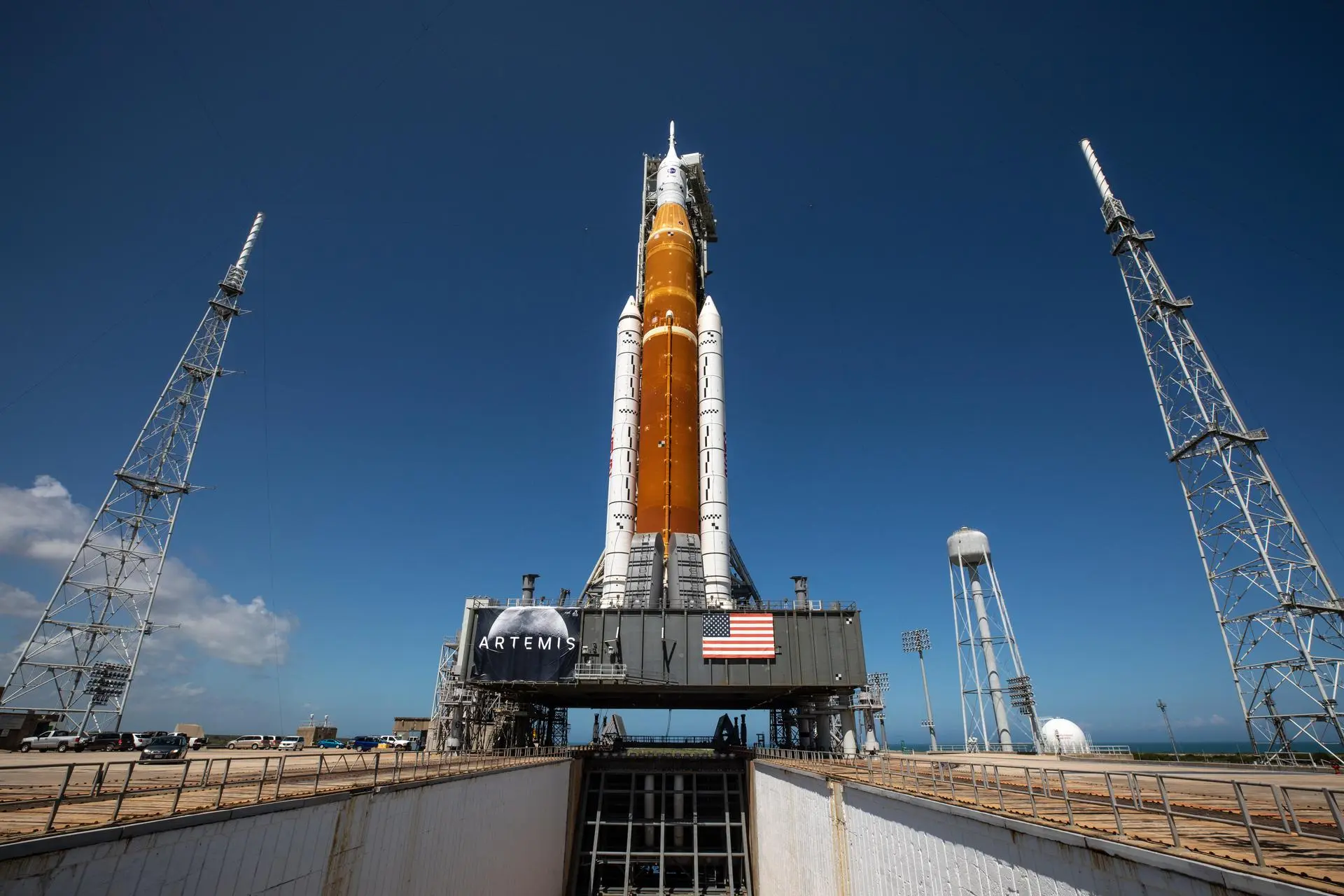
January 17, 2026 — The fully stacked SLS rocket and Orion spacecraft completed rollout to Launch Pad 39B, marking the start of final integration, testing, and launch rehearsals.
February 19, 2026 — A wet dress rehearsal uncovered a helium flow issue in the rocket’s upper stage, forcing a rollback to the Vehicle Assembly Building for repairs and pushing the launch to April.
March 27–30, 2026 — Final launch preparations and countdown activities began at Kennedy Space Center, with the crew entering quarantine and following controlled health, sleep, and nutrition protocols ahead of launch.
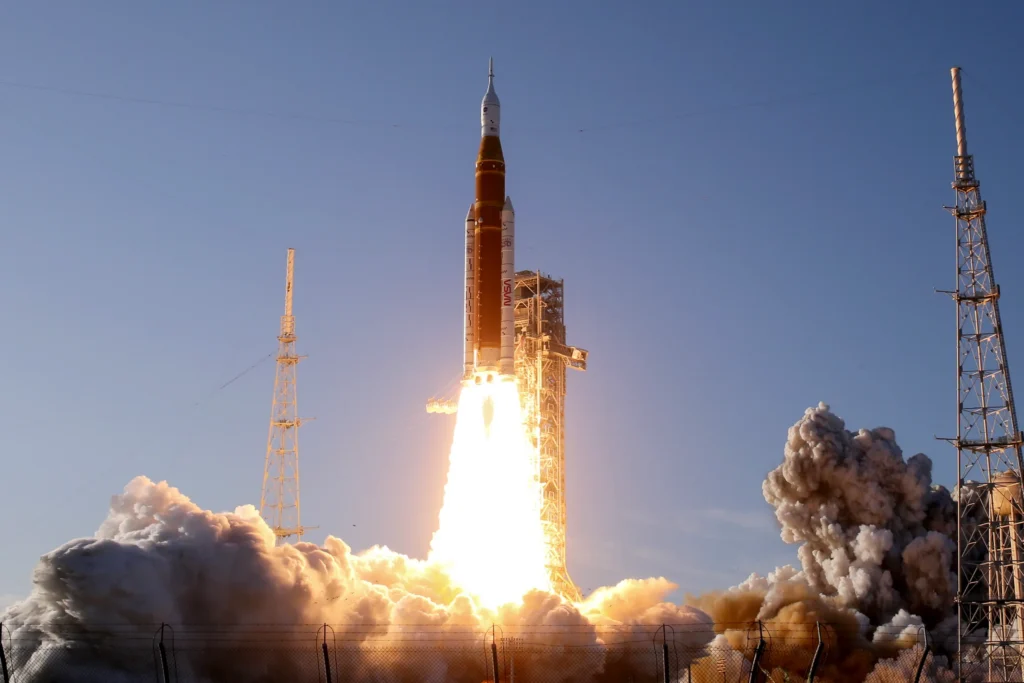
April 1, 2026 — Artemis II launched from Launch Complex 39B at Kennedy Space Center, sending the crew on an approximately 10-day mission around the Moon and back to Earth. The rocket launched on its very first attempt, near the beginning of a two-hour launch window, despite SLS’s history of fuel-leak issues and threatening weather.
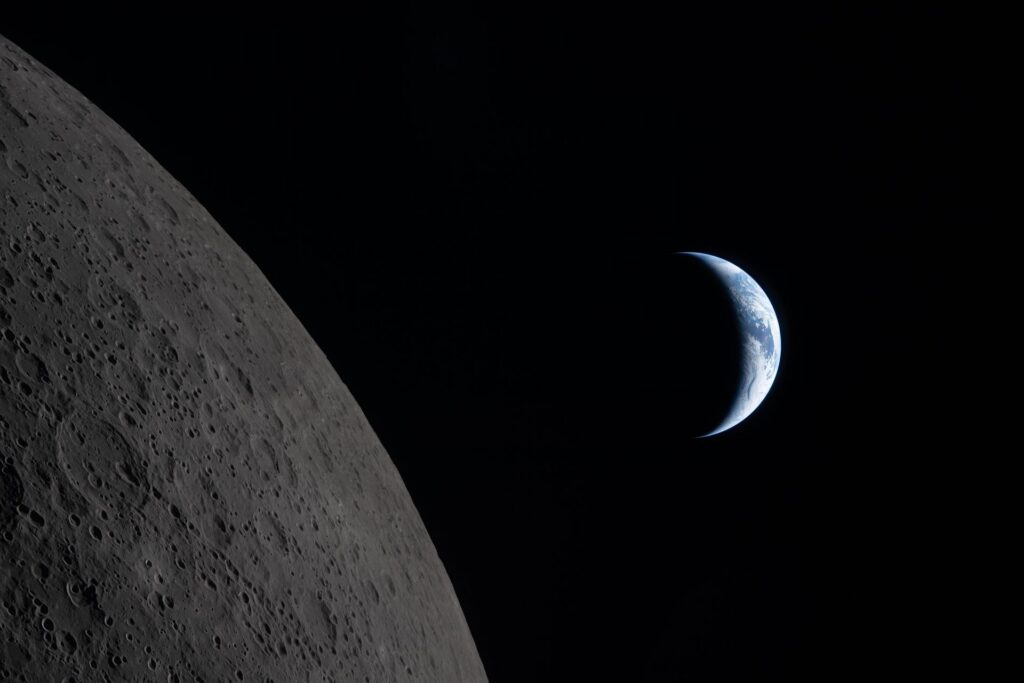
April 6, 2026 — The crew made their closest approach to the Moon, flying within roughly 4,067 miles (6,545 km) of the lunar surface — close enough to see craters and lunar terrain in stunning detail, though not close enough to enter lunar orbit.
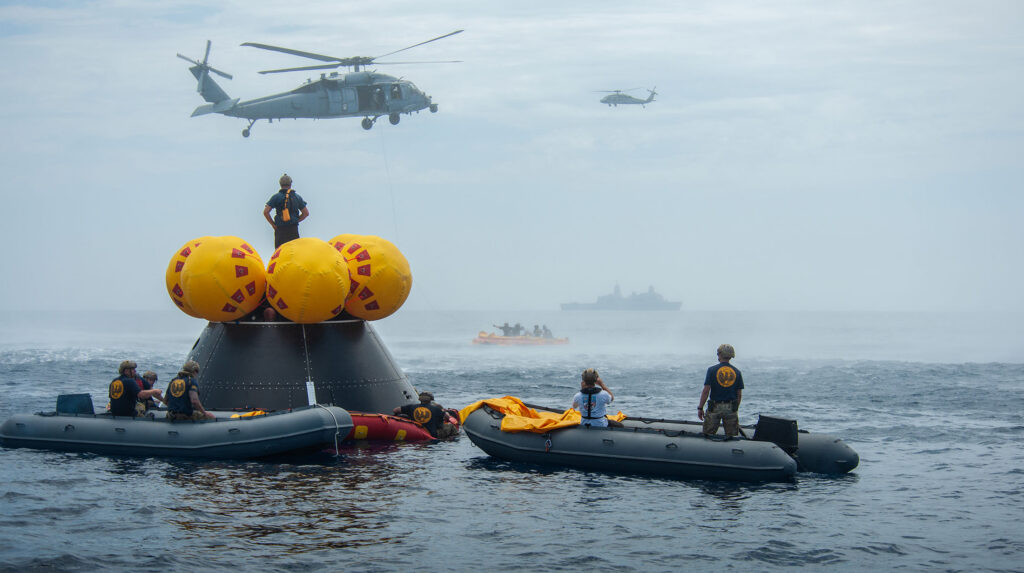
April 10–11, 2026 — Orion splashed down in the Pacific Ocean southwest of San Diego and was recovered by the USS John P. Murtha.
Records Set by Artemis II
At their farthest point, the crew traveled 252,756 miles from Earth — setting a new record for the greatest distance humans have traveled in space, and giving them a view of the lunar surface unlike anything seen before. This distance surpassed the previous record set during the Apollo 13 mission.
Why Artemis II Matters
Artemis II wasn’t just a scientific mission — it was a critical proving ground. Artemis II science operations laid the foundation for safe and efficient human exploration of the Moon and, eventually, Mars, carrying astronauts farther from Earth and closer to the Moon than any human has been in over half a century.
Every system tested — life support, navigation, communications, heat shield performance, and crew health monitoring — directly informs the next, far more ambitious missions:
- Artemis III — Originally planned as the first crewed lunar landing, NASA decided in 2026 that Artemis III would instead test a lunar lander in Earth orbit in 2027, shifting the actual crewed Moon landing to Artemis IV.
- Artemis IV — Now expected to carry out the first crewed Moon landing in 2028.
- Gateway Space Station — A planned lunar-orbit space station involving contributions from the European Space Agency, JAXA, and the Canadian Space Agency, though NASA has since decided to postpone its development to focus on lunar landings.
Conclusion
Artemis II proved that humans can once again safely travel beyond low Earth orbit — a feat unmatched since the Apollo era. It was more than a symbolic voyage around the Moon; it was a fully-loaded systems test for everything NASA needs to get right before astronauts set foot on the lunar surface again. With Artemis III, IV, and the broader Artemis program now building on this success, humanity’s return to the Moon — and eventual journey to Mars — has never felt closer.