
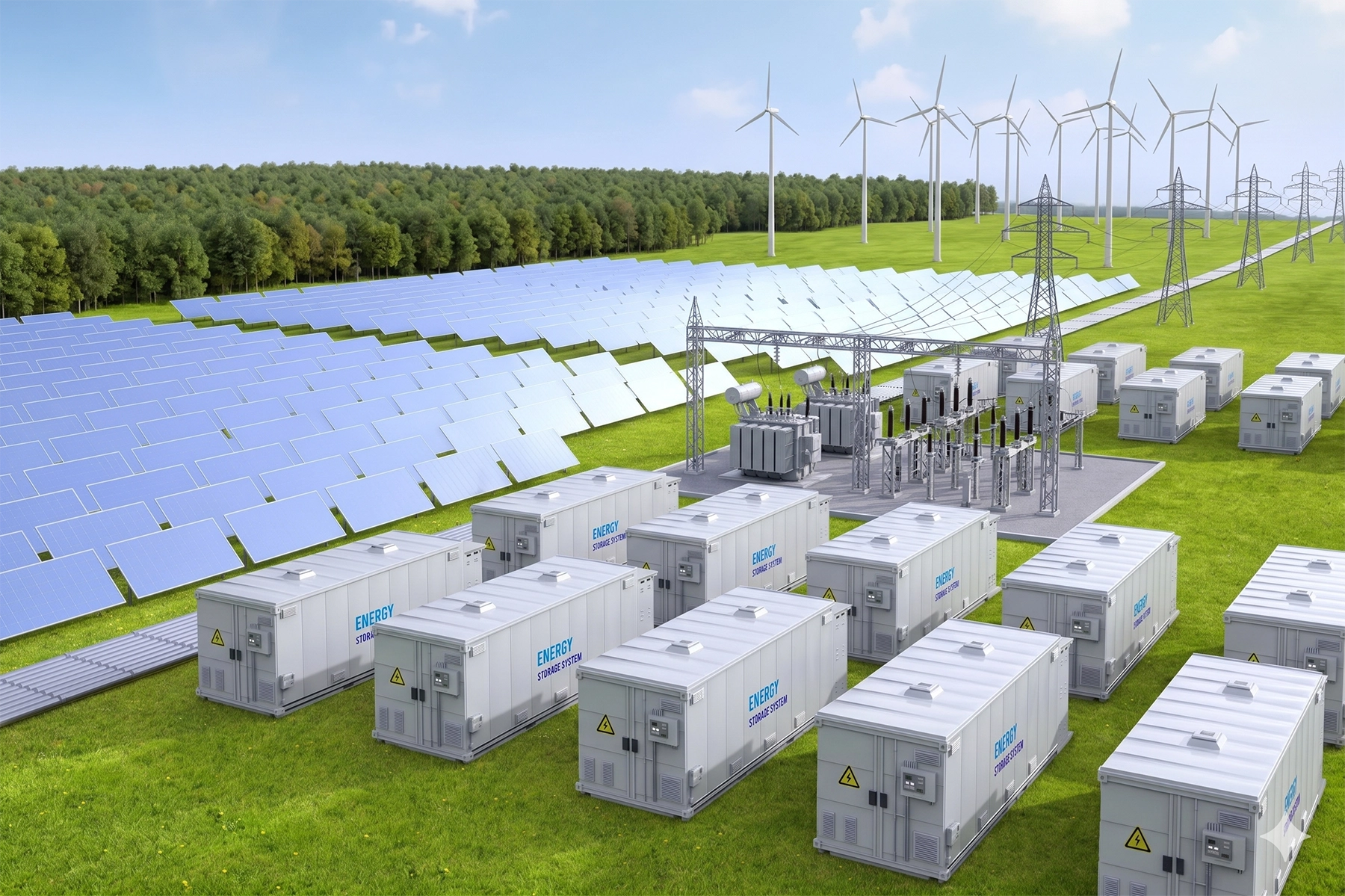
The global transition toward clean energy is accelerating at an unprecedented pace. However, the inherent intermittency of prime renewable sources like solar and wind power poses a critical challenge to grid stability. The sun doesn’t always shine, and the wind doesn’t always blow. To bridge this gap and establish a resilient, 24/7 clean energy infrastructure, the world is turning to an indispensable technology: Battery Energy Storage Systems (BESS).
In this comprehensive guide, we will break down exactly what a BESS system is, how it operates, its core applications, and its transformative role in modern electrical grids.
What is a Battery Energy Storage System (BESS)?
A Battery Energy Storage System (BESS) is an advanced electrochemical device that captures electrical energy from the grid or a generation source (such as a solar farm) and stores it within rechargeable batteries. This stored energy can later be discharged to deliver electricity when generation drops, demand peaks, or the primary grid experiences an outage.
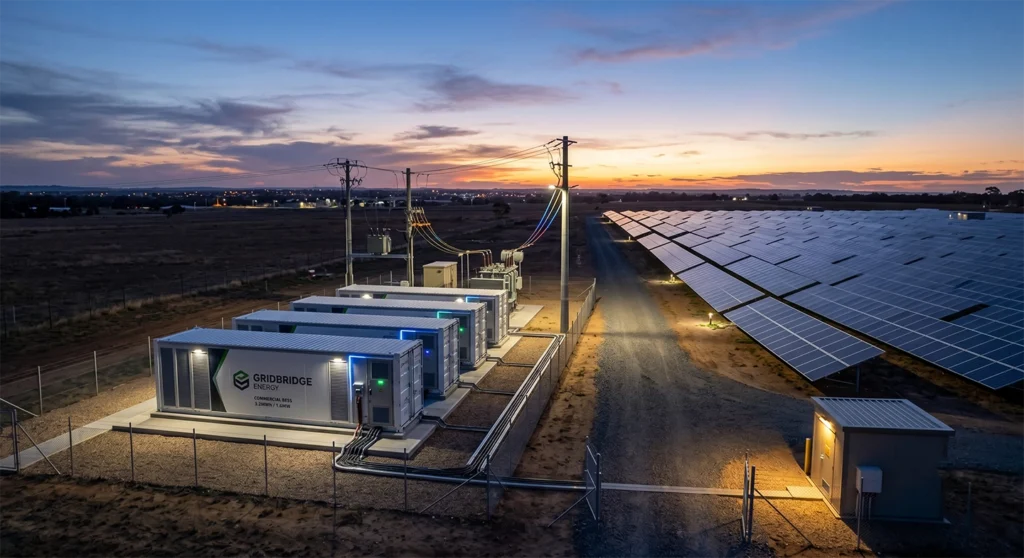
Unlike traditional mechanical storage methods such as Pumped-Storage Hydroelectricity (PSH), a BESS system offers sub-second response times, modular scalability, and a significantly smaller geographic footprint, making it ideal for both urban localized deployment and utility-scale integration.
Key Takeaway: A BESS fundamentally decouples energy generation from energy consumption, turning intermittent renewable assets into dispatchable, predictable power plants.
How Does a BESS System Work?
The operation of a BESS relies on a highly coordinated ecosystem of hardware and software components. At its simplest, the system moves through a continuous cycle of three stages:
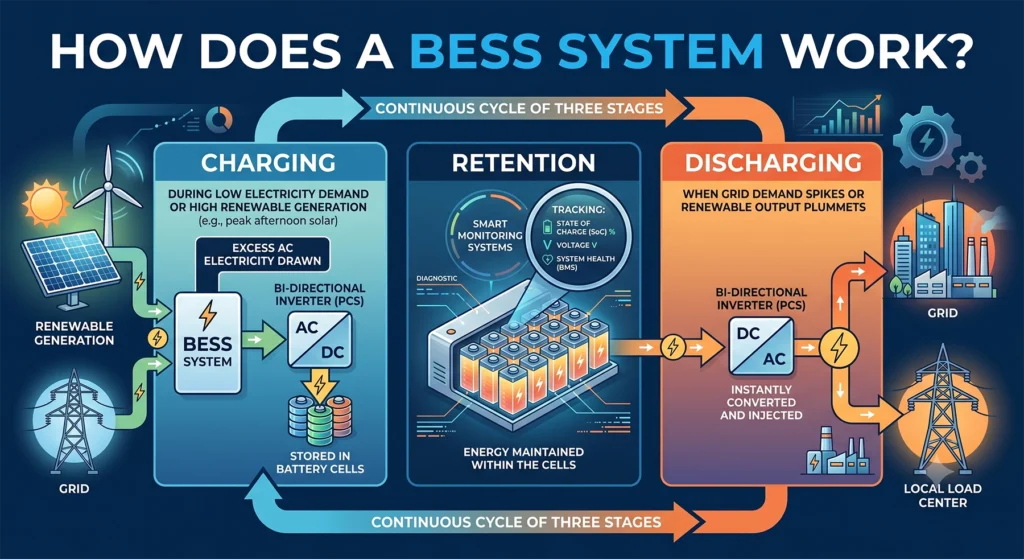
- Charging: During periods of low electricity demand or high renewable generation (e.g., peak afternoon solar production), excess AC electricity is drawn, converted to DC, and stored in battery cells.
- Retention: The energy is maintained within the cells, with smart monitoring systems tracking voltage, state of charge (SoC), and system health.
- Discharging: When grid demand spikes or renewable output plummets, the stored DC electricity is instantly converted back into AC and injected into the grid or local load center.
Core Architecture: The 4 Key Components of a BESS
A fully functional commercial or utility-scale BESS is far more than just a massive bank of batteries. It requires an advanced multi-tiered architecture to operate safely and efficiently:
1. The Battery System (Cells, Modules, and Racks)
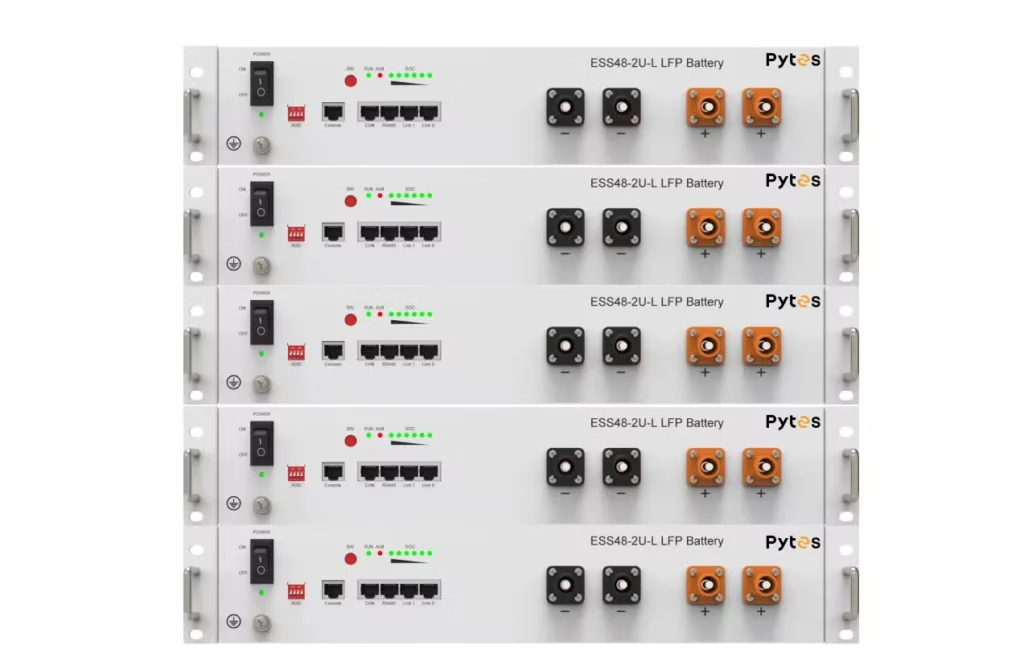
The foundational layer where energy storage happens. Individual chemical cells are wired together into modules, which are then stacked into industrial racks. While various chemistries exist, Lithium-ion (specifically Lithium Iron Phosphate, or LFP) remains the dominant choice due to high energy density and long cycle life.
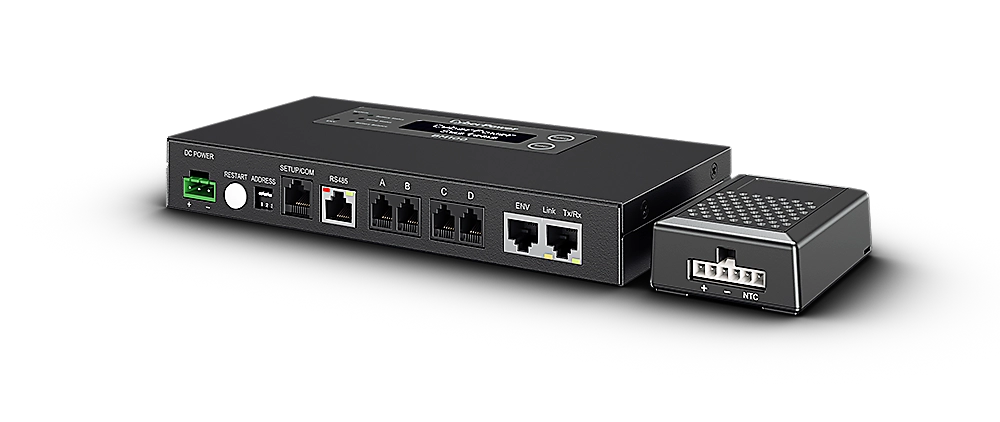
2. The Battery Management System (BMS)
The BMS serves as the brain of the battery stack. It monitors real-time parameters such as temperature, voltage, and current across every single cell. The primary functions of the BMS include preventing thermal runaway, protecting against overcharging/discharging, and cell balancing to maximize operational lifespan.
3. The Power Conversion System (PCS)
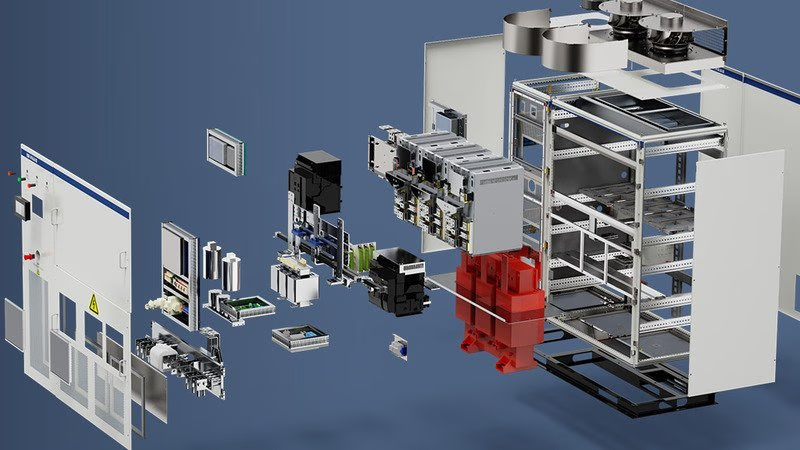
Batteries store and deliver power as Direct Current (DC), but our electrical grids operate on Alternating Current (AC). The PCS features high-capacity bi-directional inverters that seamlessly convert AC to DC during charging and DC to AC during discharging, managing phase synchronization and grid coupling metrics automatically.
4. The Energy Management System (EMS)
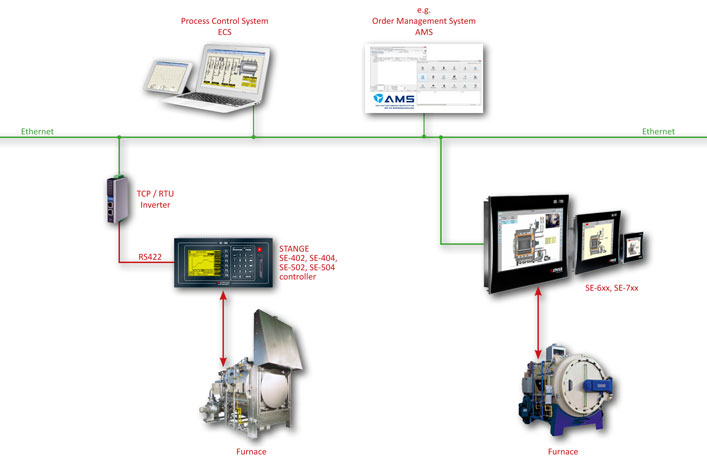
The EMS is the high-level software controller that decides when to charge and when to discharge. It analyzes external data streams—such as electricity spot market pricing, grid frequency metrics, meteorological forecasts, and local load profiles—to optimize economic yield and grid compliance.
Critical Grid and Commercial Applications
| Application | Target User | Primary Objective |
| Frequency Regulation | Grid Operators (TSOs/DSOs) | Maintaining grid frequency within tight bounds (50Hz / 60Hz) by reacting instantly to load-generation imbalances. |
| Peak Shaving | Commercial & Industrial (C&I) | Discharging during peak operational windows to avoid heavy utility demand charges. |
| Renewable Integration | Utility Developers | Smoothing out solar/wind output ramps and storing clipped or curtailed energy. |
| Microgrids & Back-up | Remote Facilities & Communities | Ensuring complete energy independence and resilience during major transmission line failures. |
The Challenges Facing BESS Deployment
While the benefits are vast, scaling BESS infrastructure requires addressing clear engineering and economic headwinds:
- Capital Expenditure (CapEx): Despite a dramatic 80% reduction in lithium-ion manufacturing costs over the last decade, initial system sourcing and installation outlays remain a barrier for smaller operators.
- Thermal Management: Batteries generate heat under sustained heavy loads. Robust HVAC and liquid cooling loops are mandatory to mitigate efficiency loss and structural safety hazards.
- Degradation Factors: Every charge-discharge cycle causes micro-structural wearing. Proper maintenance and operation strategies are needed to prevent rapid capacity fade over a 10-to-15-year asset lifespan.
Conclusion: The Backbone of Tomorrow’s Grid
Battery Energy Storage Systems are transitioning from a niche technological luxury to an absolute necessity. By stabilizing the grid, mitigating renewable volatility, and optimizing economic returns for developers, the BESS system stands as the core architectural pillar of our global energy transition. For modern utilities and forward-thinking enterprises alike, investing in BESS is no longer just about resilience—it is about securing a competitive edge in a decarbonized economy.
Thats Great
Thanks
You are great.
Okey Thanks for Share
Okey, Thank you
Okey
okey for that
no way